Basic PlanVIP PlanVIP ExpiredPurchased credits are valid for life but require an active VIP subscription to use
0Credit(s)
You can use credits to access all the AI tools on Picwand, such as the AI Image Upscaler, AI Age Filter, AI Video Enhancer, AI Video Upscaler, AI Video Effects, and more.
Sora 2 is the leader for complex physics and narrative storytelling, ideal for social media creators. Google Veo 3 is the superior tool for professional 4K production, offering native dialogue-sync and cinematic soundscapes integrated into the Google Flow ecosystem.
The Sora 2 vs Veo 3 race shows how fast AI video generation is evolving. After text and images, AI is now moving into video, and these two models are leading the way. Sora 2 is built for short, polished, and easy-to-create clips, while Veo 3 aims for cinematic videos with audio and great detail. For creators and developers, the key question is not only which model looks better, but which one works best in real-world projects. This post explores the differences between the two, how they compare, and where each fits in practical workflows. Our aim is to provide a clear comparison between the two AI video generation tools.
Sora 2 vs Veo 3 are AI-powered video generation models for converting text instructions into realistic video clips. While both share the same core technology, they serve different purposes. Sora 2 primarily focuses on creative storytelling and short-form content. It excels at generating clips with complex scenes, cinematic camera angles, and natively synchronized audio. Veo 3, by contrast, is designed for professional-grade production. It prioritizes technical precision, offering higher resolutions, smoother motion, and longer video durations.
Sora 2 and Veo 3 Core Parameter Comparison
Sora 2
Versus
Veo 3
1080p
Max Resolution
4K
20s
Max Clip Length
2m
24–30 fps
Frame Rate
60 fps
✅
Audio-Visual Sync
✅
✅
Multi-shot Consistency
✅
Social media clips
Use Case
High-quality longer production
Sora 2 Comprehensive Analysis
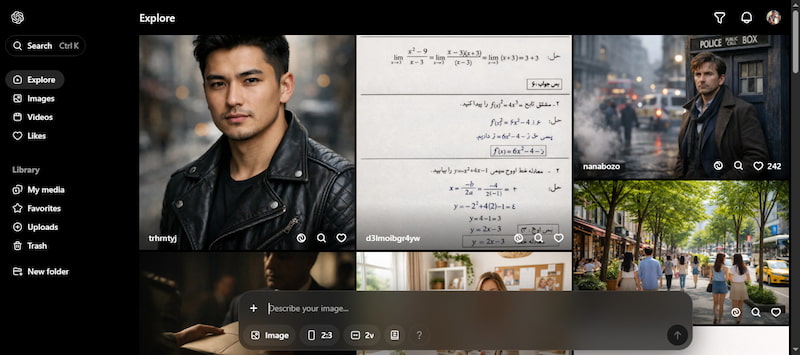
Sora 2 is the second generation of OpenAI’s AI-powered video generation model. It is designed to create short, realistic videos directly from text prompts with natively synchronized audio. Building on the original Sora, this version improves visual realism, motion physics, and temporal continuity. With outputs typically at 1080p resolution and roughly 20-second durations, Sora 2 is ideal for cinematic clips, visual storytelling, and social media content.
Sora 2 Core Capabilities:
Creates high-fidelity video from text descriptions with perfectly synced sound.
Produces dialogue, ambient sound, and effects that align precisely with on-screen action.
Maintains character, lighting, and environmental continuity across different shots or angles.
Designed for high-impact clips of approximately 20 seconds rather than long-form narratives.
Supports prompt-based adjustments for scene elements, such as camera movement and transitions.
Sora 2 Target Users:
Professionals producing quick promotional videos or concept demonstrations.
Content creators making short, shareable videos tailored for platforms like TikTok and Instagram.
Users seeking cinematic quality and audio without the need for complex traditional editing suites.
Veo 3 Comprehensive Analysis
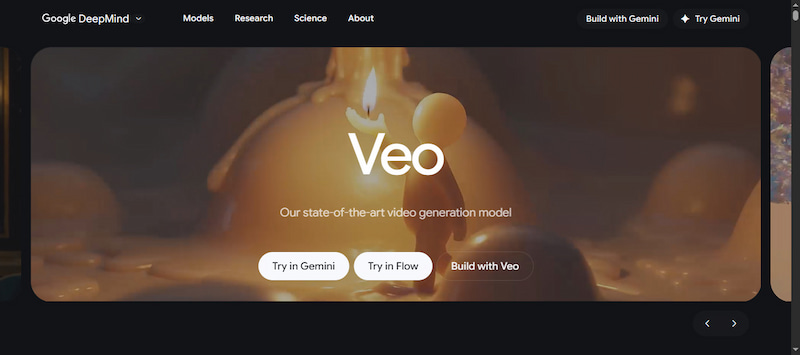
Veo 3 is an advanced AI video generation model developed by Google DeepMind. It transforms complex text prompts into high-quality video clips featuring synchronized visuals and audio. Veo is designed for professional-grade content creation, supporting 4K resolution at 60 fps and generating sequences up to 2 minutes long. This makes it a powerful tool for cinematic narratives, commercial production, and high-end marketing.
Veo 3 Core Capabilities:
Delivers crisp 4K resolution with smooth, realistic motion at 60 fps.
Produces detailed visuals and textures suitable for broadcast-quality projects.
Designed to interpret complex instructions for highly specific, polished outputs.
Supports videos up to 2 minutes, surpassing the standard short-form AI models.
Automatically generates high-fidelity audio that perfectly syncs with on-screen motion.
Veo 3 Target Users:
Creators requiring cinematic consistency for narrative-driven visual projects.
Brands looking to produce polished commercials and high-impact promotional content.
Users focused on high-resolution deliverables for global campaigns and product showcases.
Sora 2 vs Veo 3 Core Capability Comparison
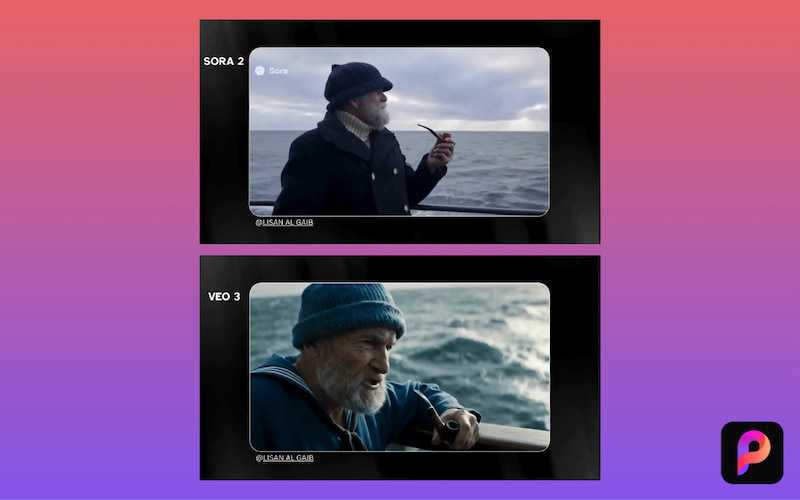
This Sora 2 vs Veo 3 comparison focuses on how these two advanced AI video generators perform in real-world tests. While they offer similar features, the models diverge in their handling of physical motion, audio-visual alignment, and prompt adherence.
Physical Consistency and Motion Accuracy:
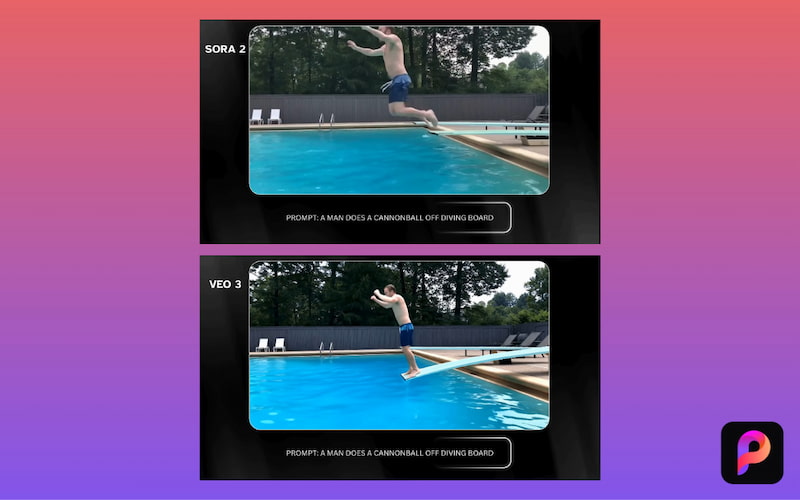
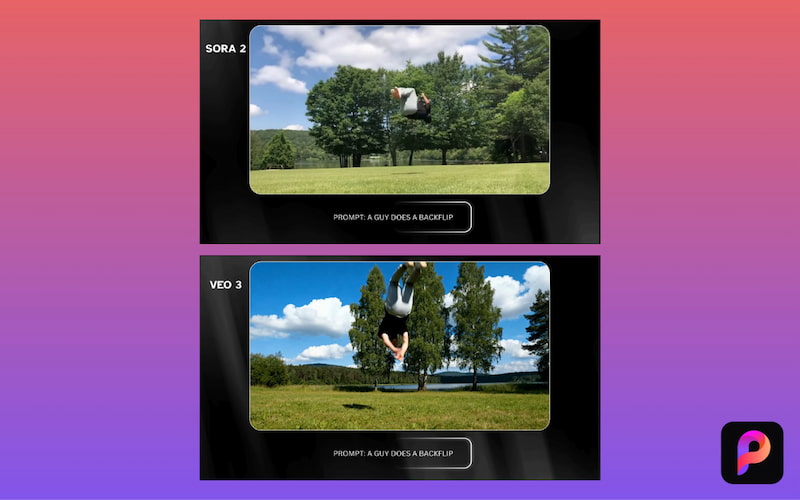
In terms of physical consistency and motion accuracy, Sora 2 delivers smoother and more believable movement. It maintains character behavior, object interaction, and scene continuity more reliably across shots. Veo 3, while visually sharper, can sometimes produce motion that feels less cohesive, with backgrounds or character actions appearing slightly disconnected.
Audio-Visual Synchronization:
Both Sora 2 and Veo 3 perform strongly in audio-visual synchronization. In testing, sounds are well matched with on-screen actions in both models. Sora 2 handles this effectively for short-form and narrative clips, ensuring audio cues align with movement and timing. Veo 3 also delivers accurate synchronization, especially in high-quality scenes, where audio feels tightly integrated with polished visuals.
Prompt Compliance:
Sora 2 tends to follow complex narrative and language-based prompts more naturally. This makes it better for storytelling scenarios that involve dialogue, reactions, or scene flow. Veo 3, on the other hand, is more literal with visual instructions. It produces cleaner, more precise imagery that closely reflects the described settings or objects.
Sora 2 vs Veo 3: Which One Should You Choose?
Choosing between Google Veo 3 vs Sora 2 depends on what you value most in AI video generation. Sora 2 is ideal for creative storytelling, multi-shot consistency, and social media-ready videos. It handles narrative prompts well, maintains character consistency across shots, and shines in scenarios where short, engaging video content is the goal. On the other hand, Veo 3 is built for professional use. It offers 4K resolution, 60 fps smoothness, longer video durations, and more precise prompt adherence and visual fidelity. It fits best where cinematic quality, extended scenes, and detailed visual output matter more than speed or cost.
Best Alternatives – Picwand AI
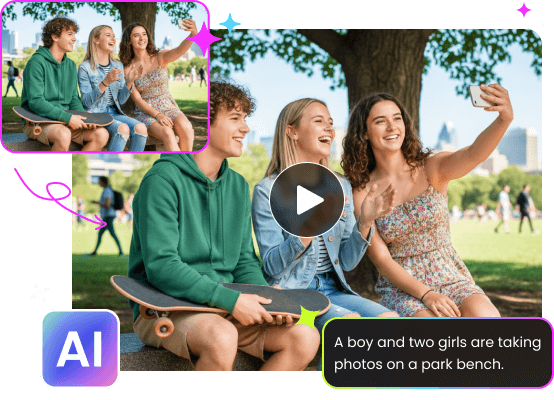
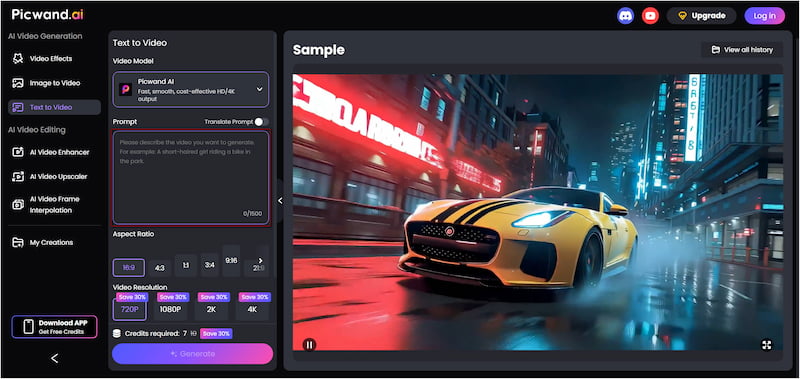
When comparing Veo 3 vs Sora 2, both are impressive AI video generators. However, they may not meet every creator's specific needs. For those looking for missing features, the Picwand AI Text-to-Video Generator is an excellent alternative. This tool offers a highly accurate, realistic way to turn text prompts into videos. It lets you describe your scene in detail and turn your words into precise visuals with smooth motion and rich detail. It supports prompts up to 1,500 characters and can generate videos up to 10 seconds long. It offers extensive flexibility in output, with support for multiple aspect ratios, including 16:9, 9:16, 1:1, 4:3, and more. In addition, it supports exports in 720p, 1080p, 2K, and even 4K.
Why Choose Picwand AI Text-to-Video Generator:
Offers multiple aspect ratios: 16:9, 9:16, 1:1, 4:3, 3:4, and more.
Exports generated AI videos in 720p, 1080p, 2K, and even 4K quality.
Accepts text in various languages and automatically detects the language.
Converts detailed text prompts directly into high-quality video clips up to 10s long.
Supports long prompts of up to 1,500 characters for more accurate scene generation.
Verdict:
Veo 3 excels in high‑resolution, longer, professional‑grade videos. Meanwhile, Sora 2 shines with creative flexibility, narrative coherence, and multi‑shot consistency for short‑form content. However, if you want a tool that combines ease of use with accurate visual output and broad format support, Picwand AI Text‑to‑Video Generator emerges as a compelling alternative.
Conclusion
The Sora 2 vs Veo 3 comparison shows that both models excel in different areas. Sora 2 is ideal for short, creative, and social-media-ready videos. On the other hand, Veo 3 delivers high-resolution, cinematic, professional-quality output. Remember, choosing the right tool depends on your project needs. For a flexible and user-friendly alternative, Picwand AI Text-to-Video Generator is a great choice. It turns detailed text prompts into accurate, high-quality videos, supports multiple aspect ratios, and exports in up to 4K resolution.