Basic PlanVIP PlanVIP ExpiredPurchased credits are valid for life but require an active VIP subscription to use
0Credit(s)
You can use credits to access all the AI tools on Picwand, such as the AI Image Upscaler, AI Age Filter, AI Video Enhancer, AI Video Upscaler, AI Video Effects, and more.
AI image generation has evolved rapidly over the past few years, transforming how artists, designers, marketers, and developers create visual content. From highly stylized artwork to photorealistic images and text-accurate designs, modern AI image models now cover a wide range of creative needs. However, not all AI image models are built with the same purpose in mind. Some prioritize artistic expression, others focus on realism or text accuracy, while newer models emphasize speed, accessibility, or lightweight deployment. Choosing the right AI image model depends heavily on your workflow, technical background, and output goals.
In this article, we evaluate the top AI image generation models available today through structured testing and real-world use cases. We compare their strengths, limitations, pricing, and ideal scenarios to help you quickly identify which model best suits your needs.
To ensure a fair and practical comparison, all AI image models in this article were evaluated using the same testing framework and objectives.
Test Objectives
Our primary goal was to assess how each model performs in real-world creative scenarios rather than isolated benchmarks. We focused on:
• Image quality and visual coherence
• Prompt understanding and consistency
• Text rendering accuracy
• Ease of use and workflow efficiency
• Output suitability for commercial or creative use
Test Methods
Each model was tested using identical or closely matched prompts across several categories:
• Artistic illustration
• Photorealistic portrait
• Text-in-image design
• Concept art and branding visuals
We also evaluated generation speed, parameter flexibility, and how well results could be refined or reused in downstream workflows such as image enhancement, upscaling, or editing—areas where complementary tools like Picwand can significantly improve final output quality.
Rather than ranking models purely by “best quality,” this article emphasizes best-fit scenarios, helping users select the most appropriate AI image model for their specific needs.
Part 2. The 5 Best AI Image Generation Models at a Glance
Here is a quick overview of the five best AI image models included in this comparison:
• Midjourney – Renowned for artistic and cinematic image generation
• FLUX – A next-generation open model focused on realism and structure
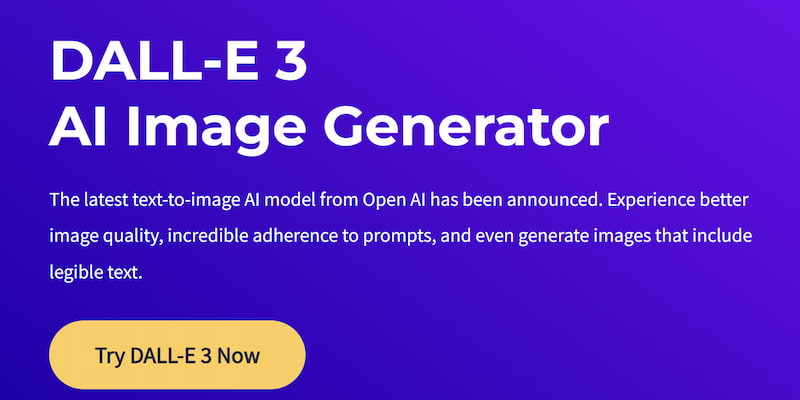
• DALL·E 3 – Strong prompt comprehension and text accuracy
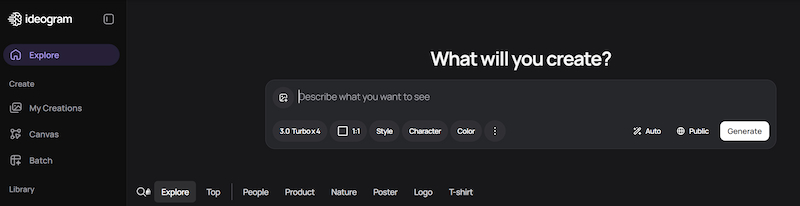
• Ideogram – Optimized for typography and logo-style visuals
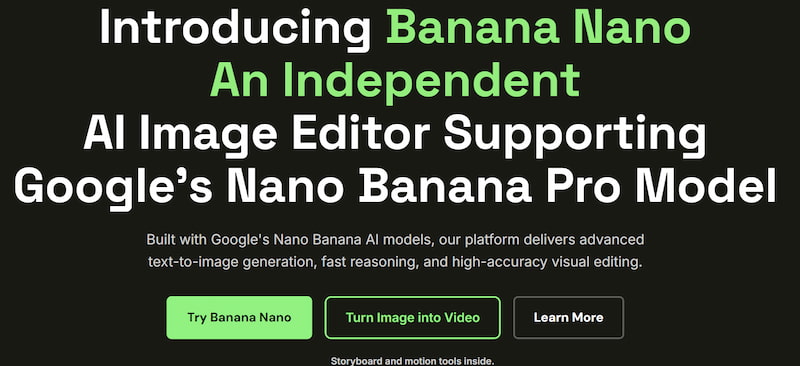
• Nano Banana – Lightweight, fast, and accessible image generation
Each of these best AI models for image generation excels in a different creative domain, which we explore in detail below.
Part 3. AI Image Models Comparison Table
Model Name
Best For
Strengths
Pricing
Midjourney
Artistic & stylized visuals
Aesthetic consistency, cinematic look
Subscription-based
FLUX
Realistic & structured images
High realism, open architecture
Free / platform-based
DALL·E 3
Prompt accuracy & text
Strong language understanding
Included in ChatGPT plans
Ideogram
Text-in-image & logos
Excellent typography handling
Free + paid plans
Nano Banana
Fast & simple generation
Speed, low learning curve
Mostly free
Midjourney – Best for Artistic and Creative Results
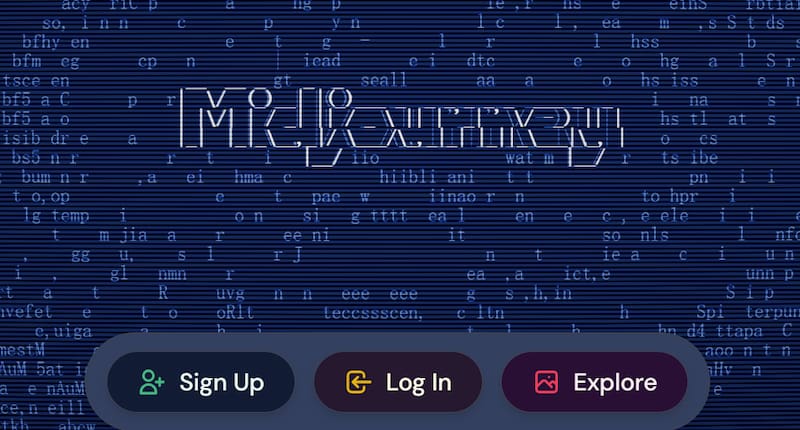
Midjourney is widely regarded as the gold standard for artistic AI image generation. Its outputs are highly stylized, visually rich, and often resemble professional concept art or digital illustrations.
Why choose Midjourney:
• Exceptional lighting, automatic image color correction, color harmony, and composition
• Minimal prompt engineering required
• Ideal for mood boards, fantasy art, and creative exploration
Limitations:
• Limited fine-grained control
• Closed ecosystem
• Less suitable for precise or technical imagery
Midjourney works best when paired with image enhancement tools like Picwand, especially for upscaling or refining images for final delivery.
FLUX – Best for Realism and Technical Control
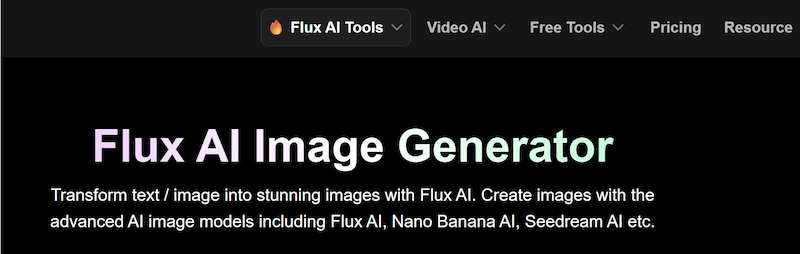
FLUX represents a new generation of AI image models designed for realistic and structurally accurate outputs. It is particularly appealing to technical users and professionals.
Why choose FLUX:
• Strong photorealistic potential
• Open and customizable architecture
• Suitable for product, architectural, and design visualization
Limitations:
• Requires more technical knowledge
• Not as beginner-friendly as Midjourney
FLUX is ideal for workflows where precision matters and outputs may need further enhancement or post-processing.
DALL·E 3 – Best for Prompt Understanding and Text Accuracy
DALL·E 3 AI image model stands out for its natural language comprehension. It interprets complex prompts more faithfully than many other models.
Why choose DALL·E 3:
• Excellent alignment between prompt and output
• Strong text-in-image rendering
• Integrated with ChatGPT for smooth workflow
Limitations:
• Less artistic flair compared to Midjourney
• Fewer advanced customization options
DALL·E 3 is especially useful for marketing visuals, educational content, and conceptual illustrations that rely on accurate interpretation.
Ideogram – Best for Text-in-Image and Logo Design
Ideogram is specifically optimized for text rendering within images, making it a standout choice for branding and graphic design tasks.
Why choose Ideogram:
• Accurate typography generation
• Clean logo and poster-style outputs
• Easy to use for non-technical users
Limitations:
• Limited artistic diversity
• Less flexible for complex scenes
For logo drafts or social media visuals, Ideogram often produces usable results faster than general-purpose models.
Nano Banana – Best for Speed and Accessibility
Nano Banana focuses on lightweight, fast AI image generation, making it ideal for casual users or rapid prototyping.
Nano Banana works well when speed matters more than visual sophistication.
Output Image Comparison
When comparing outputs side by side:
• Midjourney excels in artistic cohesion and emotional impact
• FLUX delivers the most realistic and structured images
• DALL·E 3 offers the best prompt-to-image alignment
• Ideogram dominates text clarity and typography
• Nano Banana prioritizes speed over refinement
For professional use, many creators enhance or upscale final images using AI image tools like Picwand, bridging the gap between raw AI output and publish-ready visuals.
Part 4. FAQs about AI Image Models
Which AI image model is best overall?
There is no single best model. The best choice depends on whether you prioritize art, realism, text accuracy, or speed.
Can I use multiple AI image models together?
Yes. Many professionals combine models—for example, generating concepts with Midjourney and refining them with other tools.
Do I need image enhancement after generation?
Often yes. AI-generated images benefit from upscaling, sharpening, or noise reduction using tools like Picwand.
Conclusion
AI image models have diversified significantly, each evolving toward a specific creative purpose. Midjourney leads in artistic expression, FLUX in realism, DALL·E 3 in prompt accuracy, Ideogram in text design, and Nano Banana in speed and accessibility. Rather than searching for a single “best” AI image model, users should focus on selecting the right model for each stage of their workflow. In many cases, combining AI image generation with dedicated image enhancement tools—such as Picwand—results in higher-quality, more practical outputs.
As AI image technology continues to advance, understanding these strengths will help creators work faster, smarter, and with greater creative confidence.