Basic PlanVIP PlanVIP ExpiredPurchased credits are valid for life but require an active VIP subscription to use
0Credit(s)
You can use credits to access all the AI tools on Picwand, such as the AI Image Upscaler, AI Age Filter, AI Video Enhancer, AI Video Upscaler, AI Video Effects, and more.
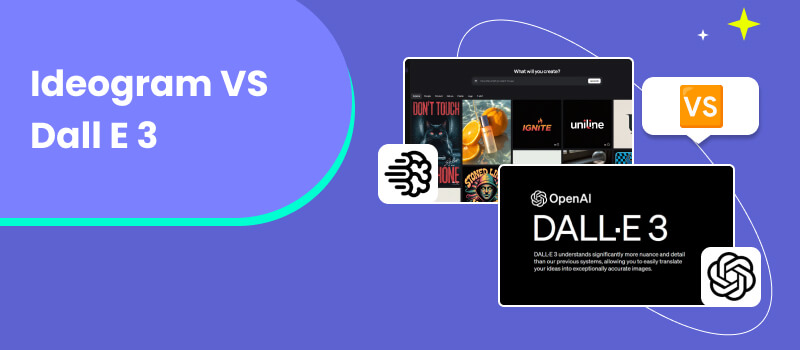
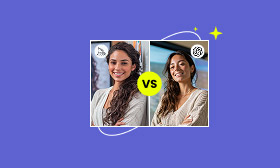
AI image generators are no longer experimental tools used only by early adopters. They have become part of daily workflows for marketers, designers, educators, and content creators. From social media graphics to blog visuals and campaign mockups, AI-generated images now sit at the center of modern digital production. Among the many tools available today, Ideogram vs. DALL-E 3 are frequently mentioned together—but for very different reasons. DALL-E 3 is often praised for its creativity and strong prompt understanding, while Ideogram has gained rapid popularity for something most AI models struggle with: accurate, readable text inside images.
This comparison article takes a practical, use-case-driven approach. Instead of focusing on hype, we’ll examine how Ideogram and DALL-E 3 actually perform, where each tool excels, and which one makes more sense depending on your goals. We’ll also look beyond static images and introduce a more advanced AI option for creators who want to work with motion and video.
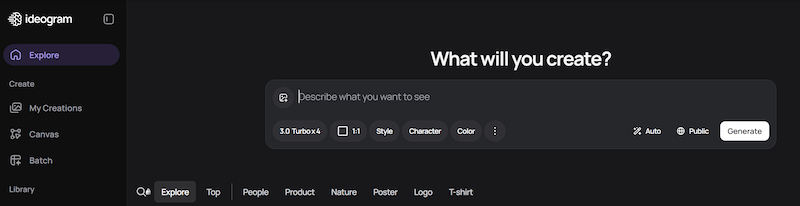
Ideogram is an AI image generation platform built with a strong emphasis on typography and layout control. While many AI image generators can create visually impressive scenes, they often fail when asked to include text—producing distorted letters, misspellings, or unreadable words.
Ideogram was designed to address this exact limitation.
Its primary strengths include:
• Generating images with clear, readable text
• Better control over text placement and hierarchy
• Clean, design-oriented outputs
• Simple prompt structure for marketing visuals
Because of this focus, Ideogram is often used for posters, ad creatives, social media graphics, and branding drafts where text is not optional but essential.
What Is DALL-E 3?
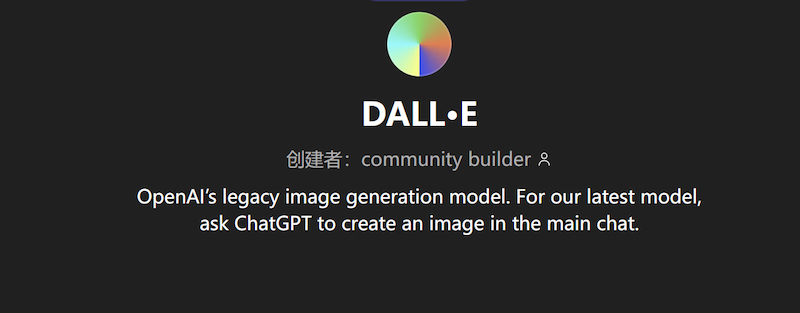
DALL-E 3 is the latest generation of OpenAI’s image generation model. This AI art enhancer is deeply integrated with large language models, giving it an advantage in understanding complex prompts and nuanced descriptions.
DALL-E 3 is best known for:
• Strong natural language understanding
• High-quality, polished visuals
• Creative and imaginative scene generation
• Flexible interpretation of artistic styles
Compared with earlier versions, DALL-E 3 produces more coherent compositions and fewer visual artifacts, especially in illustrative and conceptual imagery.
Part 2. A Detailed Comparison of Which One Is Better
Rather than choosing a single “winner,” it’s more useful to compare Ideogram and DALL-E 3 across real decision-making criteria.
1. Image Quality and Aesthetic Output
DALL-E 3 generally delivers more visually refined images. Lighting, depth, and composition often feel more natural, especially in complex or cinematic scenes. It performs particularly well for:
• Editorial illustrations
• Concept art
• Story-driven visuals
Ideogram’s images are cleaner and more minimal. While they may lack the artistic depth of DALL-E 3, they are well-suited for practical design tasks. DALL-E 3 leads in artistic quality; Ideogram focuses on clarity and structure.
2. Text Rendering Accuracy
This is where the difference becomes most obvious.
Despite improvements, DALL-E 3 still struggles with generating precise, readable text. Letters may be misshapen, words may be incomplete, and spelling errors are common. Ideogram, by contrast, consistently produces readable text that aligns with the prompt. For marketing and branding use cases, this reliability is critical. Ideogram is the clear winner for text-heavy images.
3. Prompt Understanding and Control
DALL-E 3 excels at interpreting long, descriptive prompts. Users can describe mood, narrative context, visual style, and composition in natural language, and the model responds with creative flexibility. Ideogram prefers more direct prompts, especially when text is involved. While this can feel more constrained, it also leads to more predictable results. DALL-E 3 offers greater creative freedom; Ideogram offers more control.
4. Ease of Use and Learning Curve
Both tools are beginner-friendly, but they appeal to different user mindsets:
• DALL-E 3 suits users who want to explore ideas through experimentation
• Ideogram suits users who already have a specific design goal
Neither platform requires technical knowledge, but DALL-E 3 is generally more forgiving for first-time users.
5. Ideogram Pricing and Value for Money
Pricing models vary depending on usage and region, but a few general patterns stand out:
• DALL-E 3 can become expensive with frequent regeneration
• Ideogram feels more cost-efficient for targeted design output
For casual use, both are accessible. For frequent commercial use, output efficiency matters more than brand recognition.
6. Best Use Cases at a Glance
Choose Ideogram if you need:
• Posters, ads, or banners with text
• Branding mockups and slogans
• Clean, layout-driven visuals
Choose DALL-E 3 if you need:
• Creative illustrations
• Concept art or storytelling visuals
• Flexible artistic experimentation
Part 3. Bonus: Picwand AI Video Model
Both Ideogram and DALL-E 3 focus exclusively on static images. However, modern content strategies increasingly prioritize motion, especially for social media, advertising, and education.
This is where Picwand offers a significant advantage.
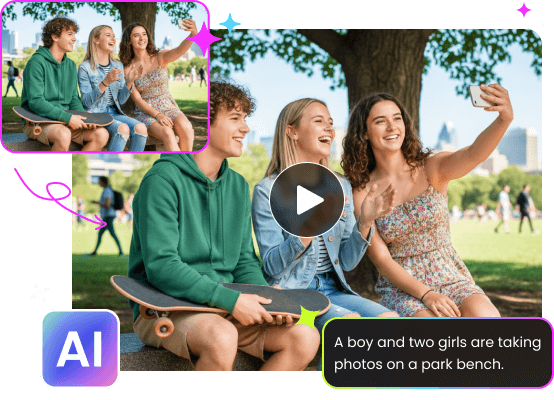
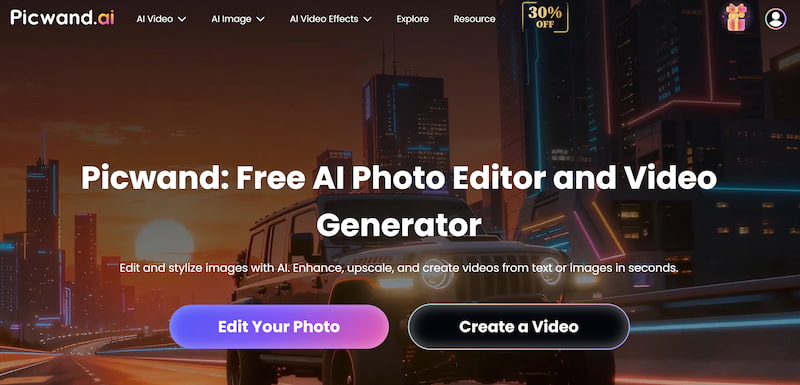
Picwand AI Text-to-Video Generator is an AI-powered creative platform designed to generate video content from text or images, bridging the gap between still visuals and dynamic storytelling.
Core features include:
• AI text-to-video generation
• Image-to-video animation
• Smooth transitions and motion effects
• Beginner-friendly interface
• Optimized for short-form content
Rather than replacing image generators, this video sharpener complements them by turning static ideas into engaging video assets.
How to Use Picwand AI
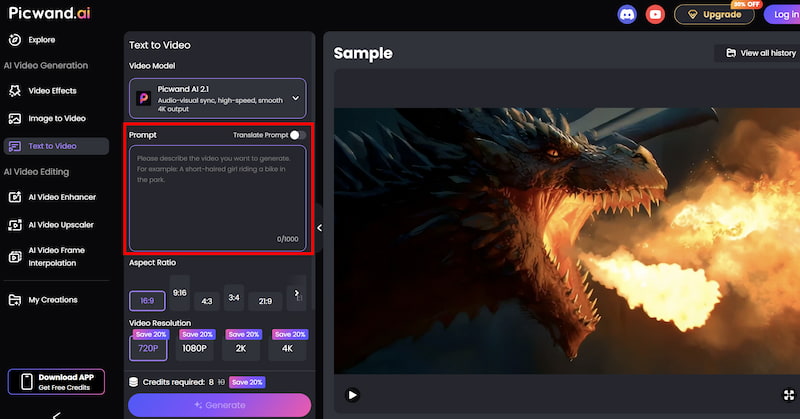
Step 1. From the main dashboard, choose the Text-to-Video Generator option. This tool allows you to generate short video clips purely from written descriptions.
Step 2. Enter your text prompt by describing the scene you want to create using natural language. You can specify elements such as environment, mood, movement, and visual style. For example, you might describe a cinematic landscape, a product showcase, or a short animated concept.
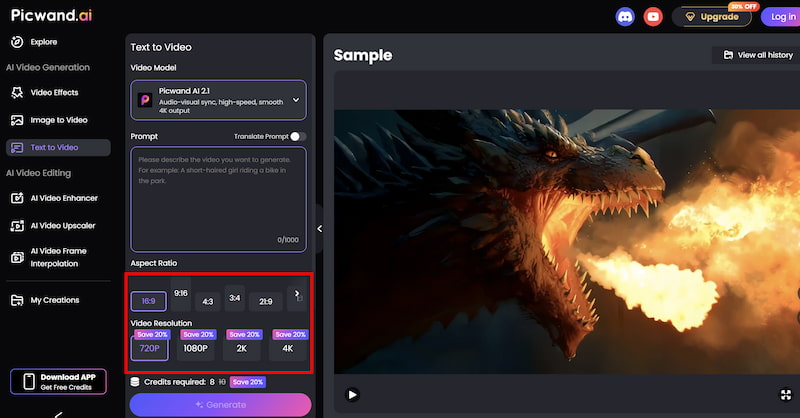
Step 3. Before generating the video, you can fine-tune settings such as Aspect Ration, Video Resolution, etc. These options help tailor the output to social media, marketing, or presentation needs.
Step 4. Once your prompt is ready, click the generate button. Picwand processes the request and produces a preview video within a short time, allowing you to review the result instantly. If you are satisfied with the output, you can export the video directly.
This streamlined workflow allows creators to produce video content without traditional editing software.
Pros
Goes beyond static images
Saves time on video production
No advanced editing skills required
Ideal for marketing and social content
If Ideogram and DALL-E 3 help you create images, Picwand helps you activate them—turning visuals into motion-based content that performs better in today’s digital landscape.
FAQs about Ideogram VS Dall E 3
Is Ideogram better than DALL-E 3?
It depends on your goal. Ideogram is better for text-based designs, while DALL-E 3 excels at creative imagery.
Can DALL-E 3 generate accurate text?
It has improved, but results are still inconsistent compared to Ideogram.
Do Ideogram or DALL-E 3 support video generation?
No. Both tools are limited to static images.
Conclusion
The comparison between Ideogram vs. DALL-E 3 highlights an important reality: there is no single “best” AI image generator—only the best tool for a specific task. DALL-E 3 stands out for artistic flexibility and visual richness. Ideogram excels in practical design scenarios where text accuracy is non-negotiable. Each tool serves a distinct creative purpose. However, as content consumption shifts toward motion and short-form video, relying solely on static images can limit reach and engagement. For creators looking to move beyond images and into dynamic storytelling, Picwand AI Text-to-Video Generator offers a forward-looking solution that complements both Ideogram and DALL-E 3.
Choosing the right tool ultimately means understanding not just what the AI can create—but how that output fits into your broader content strategy.